In this Leadership Q&A, Luzius Wirth, CEO of idverde, shares his perspective on sustainability, biodiversity, and how the company is helping shape greener environments for people and nature.
Q: What inspired your commitment to sustainability?
Growing up in Switzerland and spending much of my time in the Alps, I’ve seen first-hand how quickly our natural environment is changing. Glaciers that existed only a few years ago have disappeared, making the effects of climate change impossible to ignore.
As a father, I also think about the world we will leave to future generations. When the opportunity to join idverde arose, it offered the chance to contribute to something with real purpose—using nature itself as part of the solution to today’s environmental challenges.
Q: How urgent is climate change?
Climate change is no longer a future concern—it is already affecting communities across Europe.
Extreme weather events, including flooding and prolonged periods of intense rainfall, are becoming more frequent and more severe. These events highlight the growing need for landscapes that can absorb water, protect communities, and recover more quickly from environmental disruption.
Nature-based infrastructure has an increasingly important role to play in building climate resilience.
Q: How is idverde helping create more resilient environments?
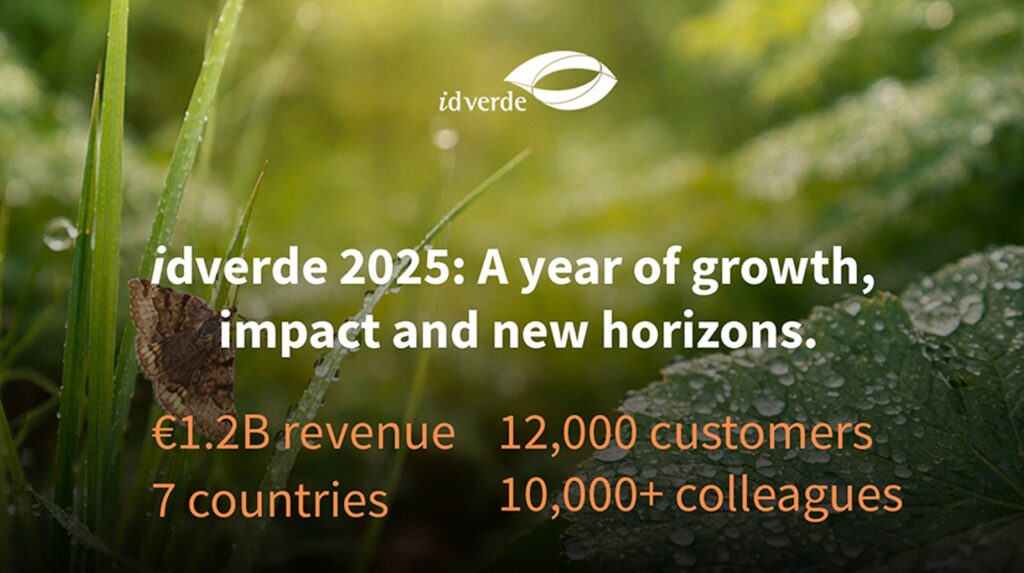
Across Europe, thousands of idverde specialists work with municipalities, businesses, and public organisations to create and maintain outdoor spaces that deliver long-term environmental value.
Our work ranges from landscape creation and ecological restoration to sustainable grounds management, urban greening, and water management solutions.
Increasingly, projects combine social value with environmental performance—creating places where people can enjoy nature while supporting biodiversity and adapting to climate change.
Q: What role does innovation play?
Innovation is essential.
For example, sustainable drainage systems can help reduce pressure on existing sewer networks by slowing the movement of rainwater through natural ponds and green infrastructure. These solutions reduce flood risk while improving biodiversity and creating attractive public spaces.
Innovation also means continually developing new approaches to landscape management that deliver better outcomes for both people and the environment.
Q: How does sustainability influence your supply chain?
As idverde continues to grow, sustainability is becoming an increasingly important factor in procurement decisions.
We work closely with suppliers who share our environmental ambitions, investing in lower-emission equipment, electrifying our operational fleet where possible, and exploring innovative technologies that reduce environmental impact while maintaining high service standards.
Q: How do the three pillars of your sustainability strategy—People, Planet and Performance—work together?
The three pillars are interconnected.
People are at the centre of everything we do. We invest in training, skills development, and programmes that help people enter or return to employment.
Planet reflects our commitment to restoring biodiversity, improving ecological resilience, and helping customers integrate nature into urban environments.
Performance ensures we continue to operate responsibly while developing innovative solutions that create lasting value for customers, communities, and the environment.
Together, these pillars shape every aspect of how idverde operates.
Q: Are you seeing greater demand for green infrastructure?
Absolutely.
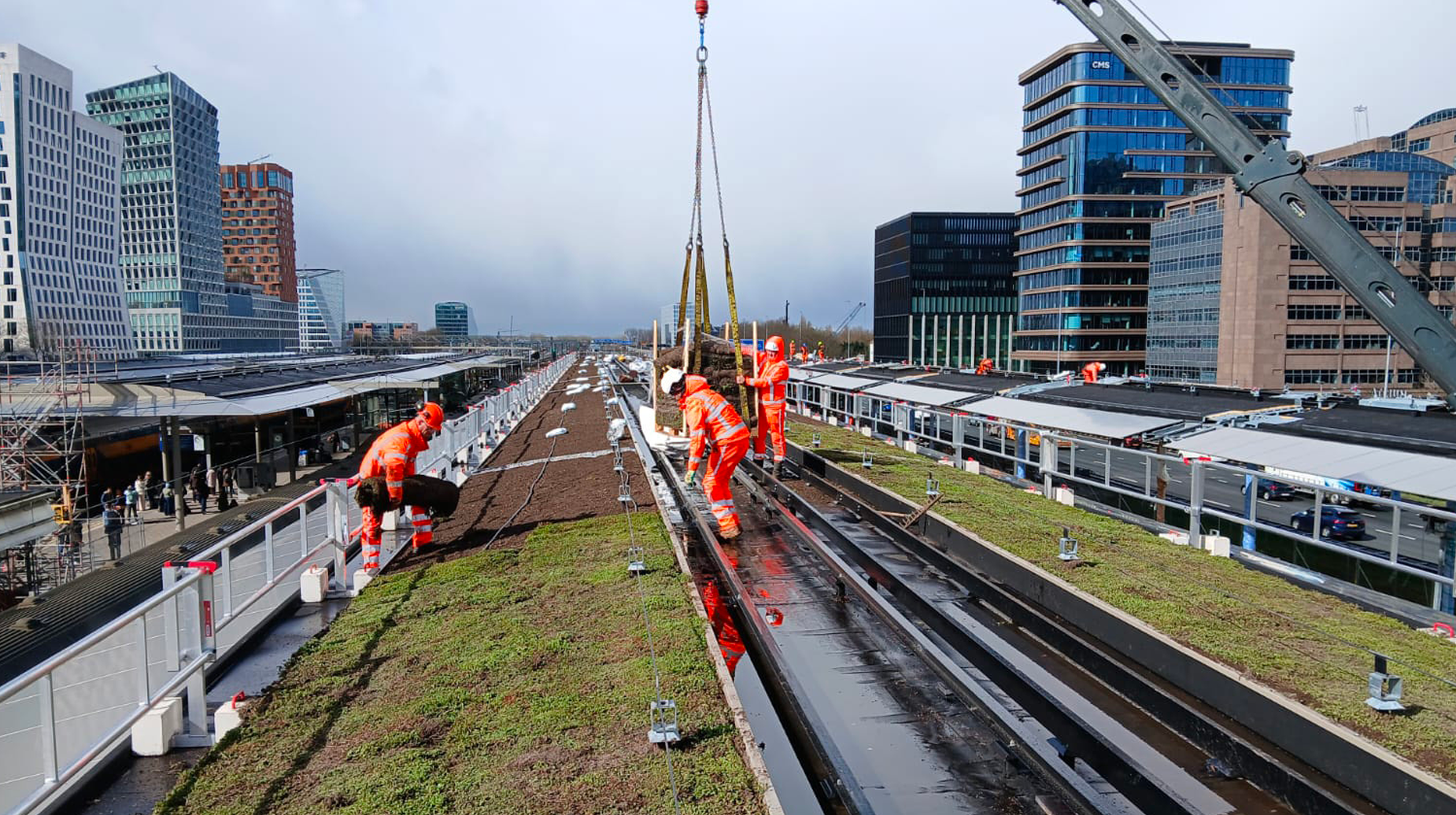
Across Europe we are seeing growing demand for green roofs, living walls, sustainable drainage systems, and biodiversity-led landscape design.
As urban populations continue to increase, there is a clear opportunity to integrate more nature into cities, creating healthier environments while improving climate resilience.
Helping clients balance environmental performance with practical outcomes is becoming an increasingly important part of our role.
Q: Is biodiversity becoming a greater priority for customers?
Yes, significantly.
Across every country where idverde operates, organisations are recognising biodiversity as an essential part of long-term environmental management.
Projects such as the ecological management of the Port of Rotterdam demonstrate how biodiversity can be enhanced even within highly industrialised environments through habitat creation, ecological restoration, and specialist environmental management.
Similar approaches are being applied in parks, nature reserves, and urban landscapes across Europe, helping protect native species while creating more resilient ecosystems.
Q: What remains the biggest challenge?
One of the biggest challenges is changing perceptions.
Highly manicured landscapes are often seen as the ideal, yet they are not always the most beneficial for nature. In many situations, allowing habitats to develop more naturally creates stronger ecosystems and supports greater biodiversity.
Educating communities about these approaches—and demonstrating their long-term value—remains essential.
Q: Who inspires you?
Without hesitation, I would say our people.
Every day, thousands of colleagues across idverde work to create greener, healthier environments with passion and commitment. Their dedication is what makes our mission possible.
On a personal level, I have always admired mountaineer Reinhold Messner, whose early warnings about climate change highlighted the importance of protecting our natural world long before it became part of mainstream discussion.